Understanding Oily Skin
Oily skin is characterized by an excess production of sebum, a natural oil produced by the sebaceous glands. This overactivity can stem from various factors, including genetics, hormones, diet, and environmental conditions. When the sebaceous glands produce too much oil, it can lead to several notable characteristics of oily skin.
One of the most evident signs of oily skin is a shiny appearance, particularly in the T-zone, which includes the forehead, nose, and chin. This shine occurs due to the accumulation of excess sebum on the skin’s surface. Additionally, individuals with oily skin often experience enlarged pores, which can become clogged, leading to common skin concerns such as blackheads and acne. The presence of acne is particularly prevalent among those with this skin type, as the oils can trap dirt and bacteria, leading to breakouts.
Moreover, oily skin can vary based on external and internal factors. Hormonal fluctuations, particularly during puberty, menstruation, or pregnancy, can significantly impact sebum production. Similarly, dietary choices—such as a high intake of processed foods and dairy—can exacerbate oily skin symptoms. Environmental elements, like high humidity or exposure to pollution, can also contribute to the skin’s oiliness by affecting how the sebaceous glands react.
Understanding oily skin is crucial for choosing the right skincare regimen that can effectively manage the symptoms associated with it. By recognizing the causes and characteristics of oily skin, individuals can select products that help balance oil production and improve overall skin health.
Key Ingredients in Oily Skin Care Products
Managing oily skin effectively requires an understanding of the ingredients that can help control excess oil production and prevent breakouts. Certain components have shown to be particularly beneficial in oily skin care products, providing both short-term relief and long-term improvement.
One of the most prominent ingredients is salicylic acid, a beta hydroxy acid (BHA) renowned for its ability to exfoliate the skin. It penetrates deep into the pores, helping to dissolve dirt and oil buildup that can lead to acne. By promoting regular skin cell turnover, salicylic acid aids in preventing clogged pores, which is essential for individuals with oily skin.
Another key ingredient is niacinamide, also known as vitamin B3. This powerful antioxidant is instrumental in reducing oil production and minimizing the appearance of enlarged pores. Niacinamide also strengthens the skin barrier, improving overall complexion and reducing inflammation, making it an excellent choice for oily skin types.
Tea tree oil is another effective antibacterial component, well-known for its natural antimicrobial properties. Its ability to reduce acne-causing bacteria on the skin can lead to fewer breakouts, making it a favored choice among those struggling with oily, acne-prone skin.
Additionally, clay, particularly bentonite or kaolin clay, serves as a natural absorbent. These clays help absorb excess oil and impurities, providing a deep cleansing effect. They often come in mask formulations, allowing for targeted treatment to draw out oil and debris without stripping the skin of its natural moisture.
Lastly, when selecting skin care products, it is paramount to look for non-comedogenic formulations. These products are specifically designed not to clog pores, further preventing the risk of breakouts and ensuring a healthy balance in oily skin management.
Essential Products for Your Oily Skin Routine
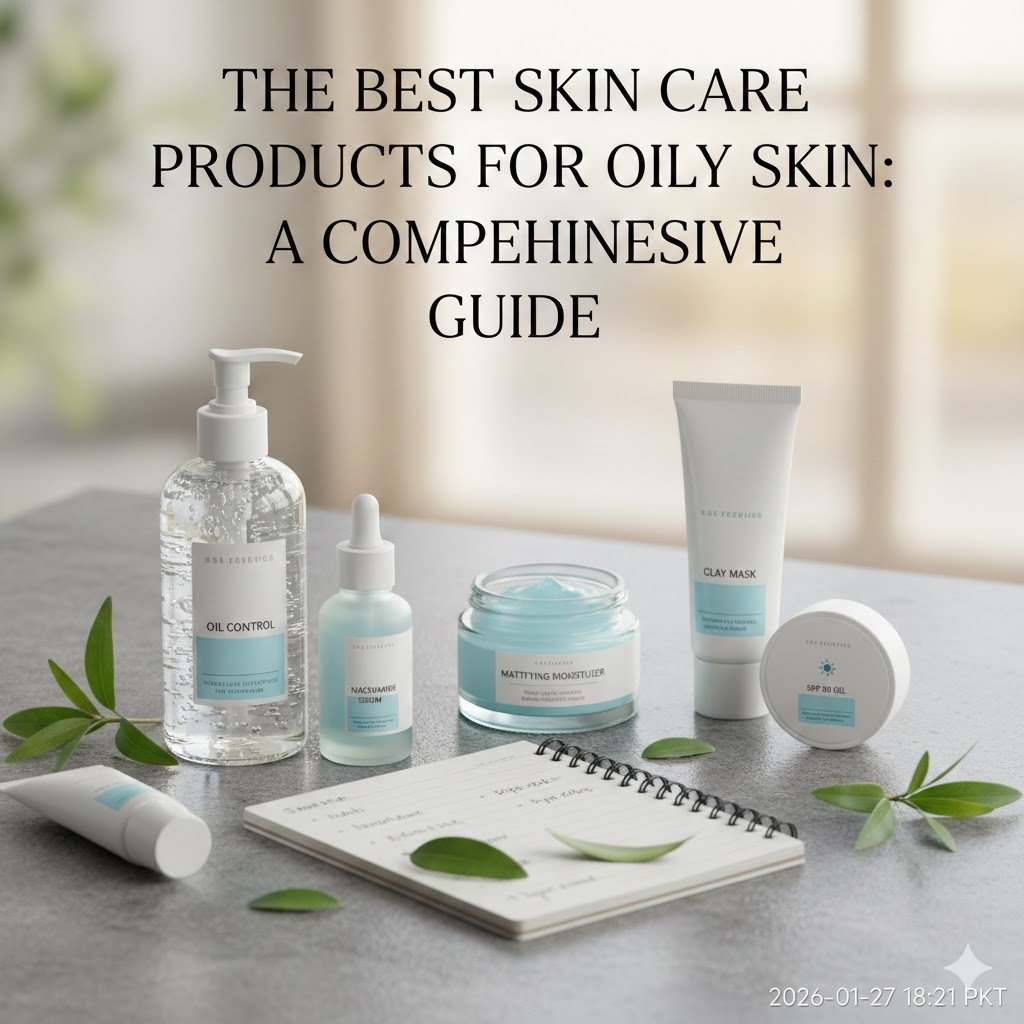
Establishing a well-structured skincare routine is crucial for individuals with oily skin, as the right products can help manage excess sebum production while maintaining skin health. One of the cornerstone elements of such a routine is a gel-based or foaming cleanser. These formulations are specifically designed to effectively remove dirt, makeup, and excess oil without stripping the skin of its natural moisture. Look for products that contain salicylic acid or tea tree oil, as these ingredients not only cleanse but also possess antibacterial properties, which are beneficial in preventing breakouts.
Following cleansing, incorporating an alcohol-free toner into your regimen is highly recommended. These toners help to tighten pores and remove any remaining impurities on the skin’s surface. Unlike traditional toners that contain alcohol, which can be overly drying, alcohol-free options provide a gentler experience, allowing for better hydration. Ingredients such as witch hazel or rose water can soothe the skin while further balancing oil production.
Moisturizing may seem counterintuitive for those with oily skin, yet it is a vital step that should not be overlooked. A lightweight, water-based moisturizer is optimal for this skin type, as it hydrates without contributing to the greasy feeling that heavier creams can create. Formulas containing hyaluronic acid or glycerin are particularly effective, as they draw moisture into the skin without adding excess oil.
In summary, an effective routine for oily skin should include a gel-based or foaming cleanser, an alcohol-free toner, and a lightweight water-based moisturizer. Incorporating these core products helps manage oiliness while promoting a balanced and healthy complexion.
Tips for Maintaining Healthy Oily Skin
Maintaining the health of oily skin requires a commitment to a consistent skincare routine, which includes the effective use of suitable products tailored to oily skin types. For optimal results, individuals should select cleansers specifically designed for oily skin, ideally those that are oil-free and non-comedogenic. Cleanser application should occur twice daily—once in the morning and once before bed—to effectively remove excess sebum and impurities without over-drying the skin.
Incorporating a toner into this routine can further refine the skin’s appearance by removing any residual oils and preparing the skin to better absorb subsequent products. A toner containing witch hazel or salicylic acid can be particularly beneficial for managing the oily zones. Moisturizing may seem unnecessary for those with oily skin; however, opting for lightweight, oil-free moisturizers is essential for maintaining skin hydration without exacerbating oil production.
Patch testing new products is a crucial step to avoid unexpected reactions, especially when introducing active ingredients into one’s routine. A small application on a discreet area can help confirm compatibility before full product use. Additionally, attention should be paid to lifestyle factors that contribute to oily skin. A balanced diet rich in fruits, vegetables, and whole grains can help regulate oil production. Excessive consumption of processed foods or sugary snacks might cause breakouts or exacerbate oiliness.
Environmental factors also play a significant role in skin health. Regular cleansing, particularly after exposure to humidity or pollution, can keep the skin clear and healthy. Staying hydrated by drinking adequate water throughout the day can also help balance skin moisture levels. By combining effective product use with healthy lifestyle choices, individuals can better manage their oily skin and achieve a more refined complexion.